Hiring a Fence Contractor: What Homeowners Need to Ask Before Installation or Repair
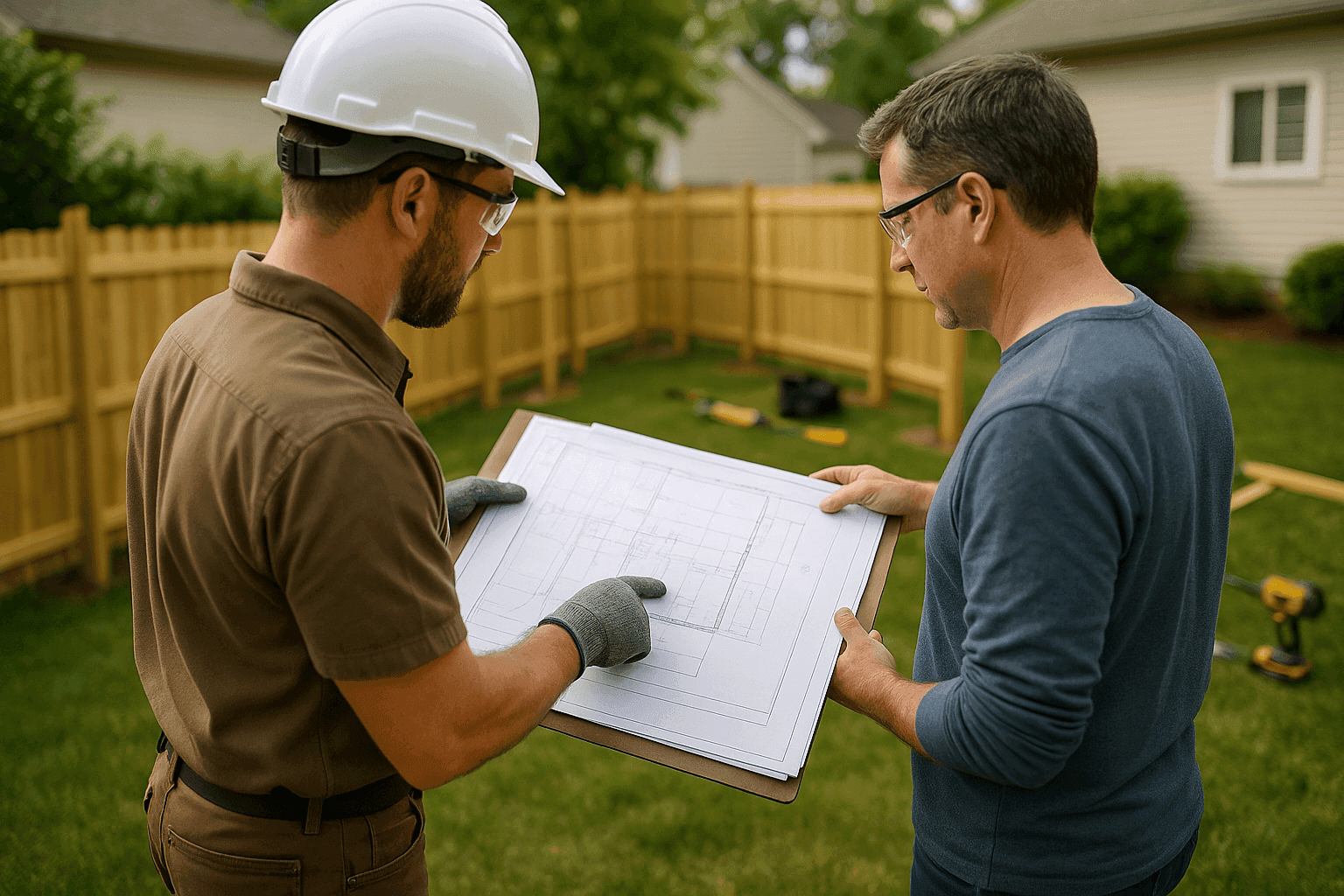
Choosing a fence contractor is more than a quick phone call. It’s a decision that shapes not just your home’s appearance, but its safety and value. The wrong choice? That can mean costly mistakes, headaches, and fences that don’t stand the test of time.
At Hopeful Homes Fencing, we know every homeowner wants peace of mind. Whether you need Wrought Iron Fencing near you, or a simple picket replacement, doing your homework upfront saves money—and stress—down the line.
Why Careful Contractor Selection Matters
A fence isn’t just a boundary—it's your home’s handshake with the world. When installed or repaired poorly, problems show up fast: misaligned panels, sagging posts, or gaps that invite pets and strangers alike. In the worst cases, you could face neighborhood disputes or even code violations.
Too many people rush into the process, dazzled by low prices or quick promises. But fences, like trust, are built one step at a time.
Your Fencing Contractor Checklist 🗒️
Before hiring anyone for fence installation or repair, ask these questions. They’re your foundation for a sturdy, lasting result:
- Are you licensed for residential fencing work? Licensing requirements vary, but a legitimate contractor never hesitates to show credentials.
- Do you carry insurance? This includes both liability and workers’ compensation. Accidents happen—even to the most careful.
- What warranty do you offer on materials and labor? Good contractors stand by their work, but specifics matter.
- Can you provide references from recent similar projects? Not just any references—ask for those involving your fence type, such as Aluminum Fencing or Privacy Screens.
- How will you handle calls or issues after installation? Clear communication is a green flag.
- Will you provide a written estimate and contract? Never settle for a handshake deal.
- What’s your timeline for starting and finishing the project? Delays can be costly and frustrating.
- Do you obtain permits and ensure code compliance? Local codes and HOA rules exist for a reason.
These questions pull back the curtain, revealing not just skill but integrity.
Red Flags: Spotting Unreliable Providers 🚩
Sometimes, the warning signs are subtle. Watch out for:
- Hesitation or refusal to show licensing or insurance
- Vague, shifting estimates and timelines
- Lack of a physical business address or online presence
- High-pressure sales tactics or requests for large upfront payments
- No references—or only very old ones
If something feels off, trust your instincts.
How to Compare Estimates
Not all estimates are built the same. To compare fairly:
- Ensure each quote covers the same materials and work (e.g., Bamboo Fencing vs. Vinyl Fencing).
- Breakdowns should include labor, materials, permits, and clean-up.
- Watch for hidden costs: disposal fees, site prep, or post-installation touch-ups.
- Ask about payment schedules—never pay the full amount upfront.
A clear, detailed estimate is a sign of a contractor who values transparency.
Reading and Understanding Contracts
A contract is your safety net. Review it for:
- Scope of work (what’s included, and what’s not)
- Payment terms and milestones
- Start and end dates
- Warranty details
- Procedures for changes or unforeseen issues
If you’re unsure, consult a legal or consumer protection resource. The Federal Trade Commission offers helpful contract guidelines for homeowners.
Verifying Credentials
Don’t just take their word for it. Check:
- Licensing status with your local or state authority
- Insurance certificates (call the provider if in doubt)
- Reviews on independent platforms (without relying exclusively on them)
A reputable fencing contractor welcomes questions.
Safety and Compliance: The Non-Negotiables
Fencing—whether it’s Pool Fencing, Electric Fencing, or Chain Link Fencing—must meet local safety codes. This isn’t just about avoiding fines; it’s about protecting your family, pets, and neighbors.
Best Practice: Ask your contractor to walk you through how their work meets current regulations. The International Residential Code (IRC) and local building departments provide standards for things like fence height, post depth, and materials used.
DIY vs. Hiring a Pro
Some repairs are tempting DIY projects. A loose picket or a quick fence cleaning? Maybe. But for major jobs like Ranch Fencing, Custom Fence Design, or anything involving electrical components, the risks outweigh the savings.
When to DIY:
- Simple repairs (tightening screws, replacing a single board)
- Fence cleaning or staining
When to Call a Pro:
- Structural issues (leaning, large sections down)
- Electric or pool fencing
- Complex installations (arbors, pergolas, living fences)
- Code compliance questions
Remember, the right pro brings not just tools, but know-how.
What to Expect When Pros Arrive
A reputable contractor doesn’t just show up with a truck and tools. Here’s what happens:
- Site Walk-Through: They listen to your goals, measure, and inspect.
- Material Assessment: Recommendations tailored to your needs—privacy, security, or decorative fencing.
- Clear Plan: Outline of the process, timeline, and possible disruptions.
- Communication: Updates if weather or unexpected issues arise.
- Respect: Professional crews keep workspaces tidy and safe.
Fence Maintenance: Keeping It Strong
The best fence is one that lasts. Here’s how to keep yours in shape:
- Inspect yearly for rot, rust, or loose hardware (especially for Wood Fencing or Wrought Iron Fencing).
- Clean surfaces to prevent buildup—especially important for Vinyl Fencing or Privacy Screens.
- Paint or stain wood every few years to seal out moisture.
- Trim hedges or plants near Living Fences and Hedge Fencing to prevent overgrowth.
- Schedule regular fence inspections—a qualified pro can spot small issues before they grow.
Costs and Timing: What to Expect
Fencing costs run the gamut. Materials matter—Wrought Iron Fencing near you is pricier than basic Chain Link Fencing, for example. Factors include:
- Linear footage and height
- Terrain and site prep needs
- Material choice (wood, aluminum, vinyl, bamboo, etc.)
- Special features (gates, arbors, decorative details)
- Labor and local permit costs
Timeline: Most residential projects take a few days to a week, but weather and permitting can stretch this out. Repairs are often quicker than new installations.
Tip: Always ask for a written timeline and factor in a little extra for surprises.
When It’s an Emergency
Storm damage, fallen trees, or broken security fencing? Safety comes first.
- Keep children and pets away from damaged areas.
- If there are downed wires (electric fencing), avoid contact and call utility services.
- Document damage for insurance.
- Contact a fencing pro for urgent repairs—describe the issue clearly for faster response.
Sometimes, temporary fencing may be needed for immediate security until full repair is possible.
Frequently Asked Questions
Q: Do I need a permit for a new fence?
A: In most areas, yes—especially for taller fences or those near property lines. Your contractor should handle this process.
Q: How long will my fence last?
A: With proper installation and regular maintenance, materials like aluminum or wrought iron can last decades. Wood may need more frequent upkeep.
Q: Will my fence require ongoing maintenance?
A: Yes. All fences benefit from periodic inspection, cleaning, and minor repairs.
Q: Can you match my existing fence style?
A: Most contractors can source similar materials and styles, though exact matches depend on availability.
Local and Seasonal Considerations 🌦️
Weather affects both installation timing and material choice. Wet or frozen ground slows installation, while extreme heat can impact certain materials.
- Schedule work for mild seasons when possible.
- Consider weather-resistant materials for your climate (e.g., powder-coated aluminum for damp areas).
- Ask about local wildlife—some areas require reinforced fencing to keep out deer or burrowing animals.
Next Steps: Make an Informed Choice
Hiring the right fencing contractor isn’t just about price—it's about partnership. Ask the right questions, get everything in writing, and check those credentials. Protect your investment with experience, clear communication, and a team that values your home as much as you do.
Ready to start your project?
Call Hopeful Homes Fencing now — or reach us anytime at 888-850-6274 .