Fence Damage After Storms: How to Inspect, Repair, and Prevent Future Issues
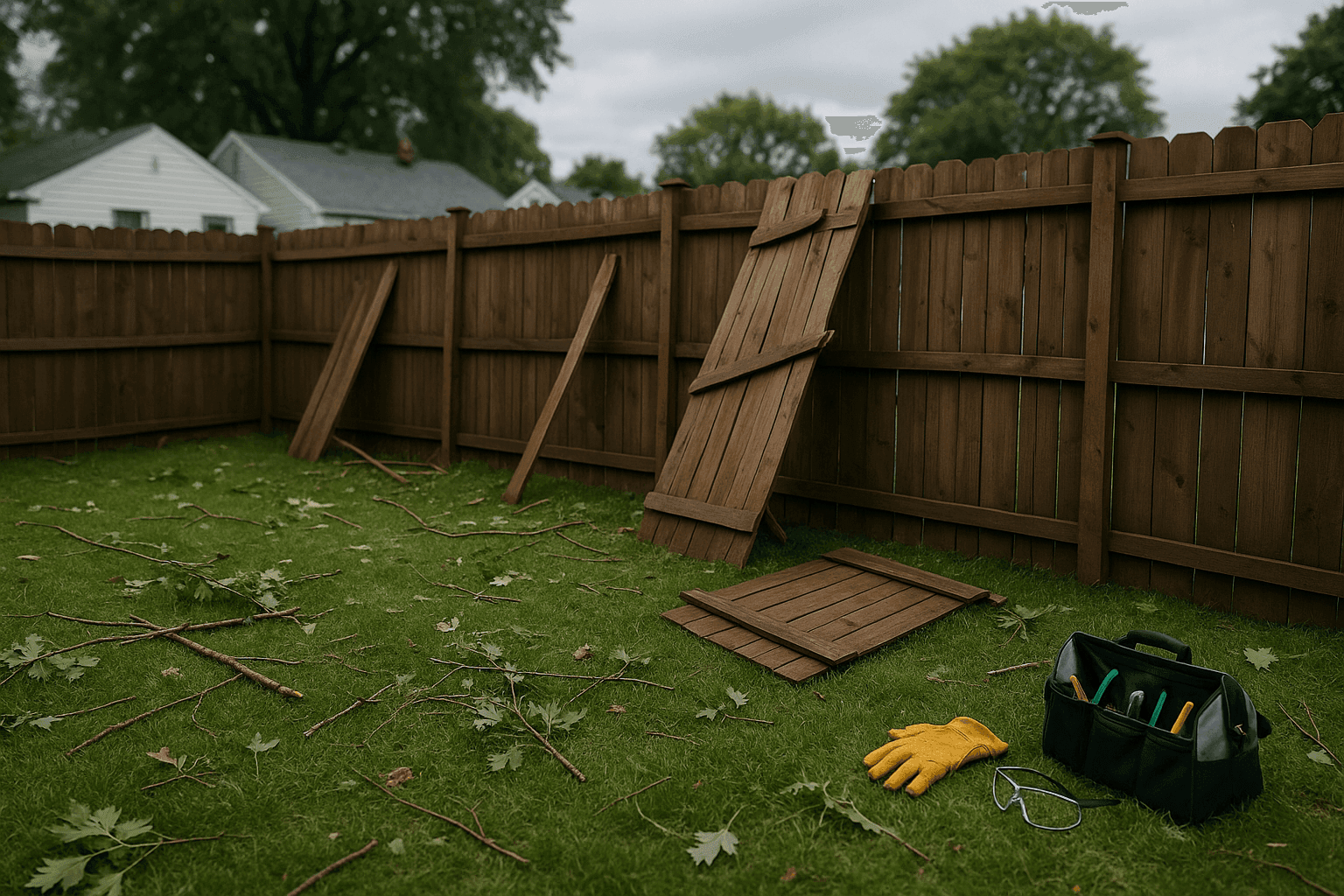
When a storm barrels through, it doesn’t care about your weekend plans or your backyard’s privacy. It leaves splintered wood, bent rails, and toppled posts in its wake. The aftermath can feel overwhelming—especially when your fence is the barrier between your home and the wild unknown.
At Hopeful Homes Fencing, we know how urgent fence repairs become after high winds or flooding. Your fence isn’t just a property line. It’s peace of mind, pet protection, and curb appeal—all rolled into one. Let’s walk through what to do next, step by step.
The Problem After the Storm
Storms tear through neighborhoods like a runaway train. When the dust settles, homeowners find more than puddles and scattered leaves. Fences can lean, crack, or collapse entirely.
Why does it matter? A damaged fence is an open door for pets to escape and unwanted visitors (animal or otherwise) to wander in. Worse, broken panels or metal pieces can be a safety hazard—especially with kids or pets in the yard.
But before you grab your toolbox, slow down. There’s a right way and a risky way to handle storm damage.
Quick Safety Checklist: Inspect Before You Touch Anything ⚡
Storm aftermath can hide dangers. Before you step outside:
- Look for downed power lines. If a wire touches your fence or yard, stay far back and call local authorities immediately. Never touch or approach.
- Check for unstable posts or panels. Wobbly sections can fall with a nudge. Approach slowly, and don’t lean on damaged areas.
- Spot sharp edges or nails. Metal fencing like Wrought Iron Fencing near you can twist, leaving exposed ends. Broken wood can splinter.
- Beware of standing water. Flooded yards might hide holes or create slippery mud.
- Scan for loose debris. Branches or roofing can hide hazards in the grass.
If anything looks dangerous, secure the area and wait for professional help. Safety first—always.
Document the Damage for Insurance
Before you clear branches or hammer a single nail, document everything. Your future self (and your insurance company) will thank you.
- Take clear photos from several angles. Capture the big picture and close-ups of damage.
- Note the date and time. Storms often have official records—this helps connect your claim to the event.
- List what’s broken. Posts? Panels? Gates? Include any items the fence protected, like sheds or playsets.
- Save receipts. For emergency repairs, materials, or professional help.
Check your policy for what’s covered. Many homeowner’s insurance plans include storm damage to fences, but some don’t—especially if the fence was already in poor shape.
Short-Term Fixes: Securing Your Property
You don’t need to rebuild your fence overnight. Sometimes, quick fixes buy you time and peace of mind:
- Upright leaning panels with temporary stakes. Use wood or metal stakes and zip ties or rope.
- Cover gaps with tarps or temporary fencing. Especially important for pools or pet containment.
- Remove loose nails and sharp debris. Prevent injury while you plan repairs.
- Close gates and reinforce with bungee cords. Even if the latch is broken.
These are band-aids, not cures. But they keep your yard safe until professional repairs can be made.
DIY Fence Repair vs. Calling a Pro
When is it a weekend project, and when is it time to call Hopeful Homes Fencing?
When DIY Repairs Are Appropriate
- Minor picket or panel replacement. If you have a few loose boards or bent rails and basic tools, you may handle this.
- Cleaning and minor straightening. Removing mud, tightening screws, or reattaching a loose gate hinge.
- Replacing a single post (if accessible). Only attempt if you can confirm there are no buried utilities or electrical hazards.
But even small repairs can go sideways if the damage is hidden or structural. Fences are like dominoes—knock out one key piece, and the whole line can sag.
When to Call a Professional
- Multiple posts are unstable or broken.
- Fence is leaning significantly, or sections have collapsed.
- Damage to wrought iron, aluminum, or custom fences. Specialized tools and skills are required.
- Waterlogged or rotted wood. This often means deeper issues.
- Electric fencing damage. Never attempt DIY repairs on electrified lines.
- You’re unsure about safety.
Some repairs demand more than elbow grease. When in doubt, leave it to the pros.
Common DIY Mistakes to Avoid
- Using the wrong fasteners. Exterior, rust-resistant screws and nails are a must.
- Skipping post depth. Posts should be set below frost line—shallow resets won’t last.
- Painting or staining wet wood. Wait until it’s dry, or the finish won’t stick.
- Mixing materials. Don’t patch wood with metal, or vice versa, unless designed for it.
What the Pros Do When They Arrive
A professional fencing crew brings more than a hammer. Here’s how Hopeful Homes Fencing tackles storm damage:
- Full site inspection. We check every inch—even sections that seem fine. Wind can loosen posts without obvious signs.
- Check for code compliance. Local codes (like those from the International Residential Code) dictate fence height, pool barriers, and setbacks.
- Plan repairs for strength and longevity. We use weather-resistant materials, reinforced posts, and proper fasteners.
- Clean up debris safely. Includes removal of sharp metal or splintered wood.
- Provide written estimates and timelines.
Our goal: restore your fence so it stands tall through the next storm.
Prevention & Maintenance: Shield Your Fence Against Future Storms 🌳
A fence is only as strong as its upkeep. Want fewer headaches next storm season? Here’s how:
- Choose wind-resistant materials. Wrought Iron Fencing near you, aluminum, and vinyl hold up better to high winds than lightweight wood or bamboo.
- Plant windbreaks. Rows of shrubs or hedges can shield fences from gusts—think of them as nature’s buffer.
- Space boards for airflow. Solid privacy fences catch wind like a sail. Gaps between boards let wind pass through.
- Anchor posts deep. Posts should be set at least 24–36 inches deep, below the frost line.
- Inspect after every major storm. Look for wobbles, cracks, or loose fasteners.
- Clear vines and debris. Overgrown plants add weight and trap moisture—both enemies of fence longevity.
- Routine cleaning and staining. Helps prevent rot, rust, and UV damage.
According to the American Fence Association, regular inspections and cleaning can double the lifespan of a residential fence.
Costs & Time Factors: What to Expect
Repairing storm damage isn’t one-size-fits-all. Cost and time depend on:
- Extent of damage. A few pickets? Or entire sections down?
- Material type. Wood repairs are usually quicker. Wrought iron, aluminum, or custom fences may require special order parts.
- Accessibility. Fences behind dense landscaping or on slopes take longer.
- Permits or code requirements. Some cities require permits for major repairs or replacements.
- Weather delays. Rain or freezing temps can slow work.
Most minor repairs can be done in a day or two. Major rebuilds or specialty fences may take a week or more, especially if materials need to be ordered.
When It’s an Emergency
Some situations can’t wait:
- Pool fencing is breached. Immediate repair is critical for child safety and may be required by code.
- Electric fencing is down. Livestock or pet containment is at risk.
- Security fencing is compromised. If safety is threatened, act quickly.
In these cases, secure the area as best you can and call for urgent help. Local authorities may assist if there’s a public safety risk.
FAQ: Common Questions After Storm Fence Damage
What if my neighbor’s tree fell on my fence?
Typically, your insurance covers your fence, regardless of where the tree came from. Document the damage and contact your provider.
Can I reuse storm-damaged materials?
Maybe. Intact panels or posts might be salvageable, but inspect for cracks or warping. Wood that’s split or metal that’s twisted should be replaced.
How soon should I repair storm damage?
As soon as it’s safe to do so. Delays can lead to more damage or insurance complications. Some policies require you to act within a specific window.
Will my fence be as strong after repairs?
With professional repairs and quality materials, a restored fence can be as sturdy—or sturdier—than the original.
Local & Seasonal Considerations
Storm patterns differ by region and season. Coastal homes face salt and wind; inland areas get ice and snow. In spring and summer, fast-growing plants can add weight to fences. In fall, heavy rains soften soil, leading to post movement.
Stay alert to local weather advisories. Schedule inspections before and after storm season—especially if your area is prone to hurricanes, tornadoes, or heavy flooding.
A damaged fence isn’t just an eyesore—it’s a safety and security risk. Fast, careful action keeps your family, pets, and property protected, and helps you avoid insurance headaches down the road. Whether you need a quick fix, a full rebuild, or expert advice on storm-resistant fencing, Hopeful Homes Fencing is here to help.
Call Hopeful Homes Fencing now — or reach us anytime at 888-850-6274 .