Complete Guide to Residential Fence Maintenance: Protecting Your Investment Year-Round
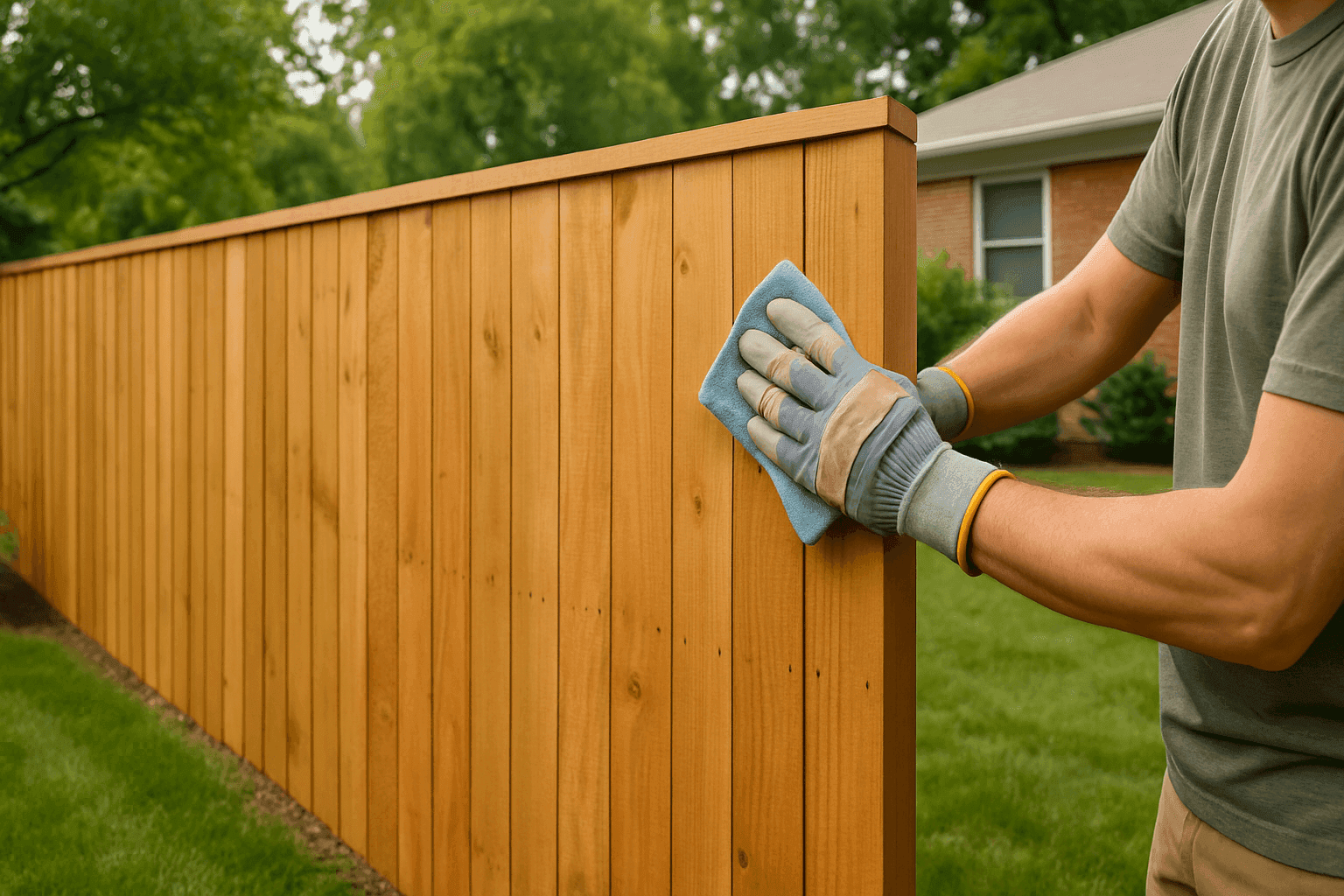
Keeping a fence strong isn’t just about looks—it’s about safety, privacy, and protecting what matters most. Your home’s fencing stands guard through storms, sunshine, and every season in between. But even the best fences need a helping hand.
At Hopeful Homes Fencing, we know each fence tells a story. Whether you have a classic wood picket, sleek vinyl, sturdy wrought iron, or natural bamboo, giving your fence the care it deserves helps your investment last for years. Ready to dive in? Let’s keep your fence (and your peace of mind) in top shape.
Why Fence Maintenance Matters
A fence does more than mark the edge of your property. It keeps pets safe, kids secure, and adds curb appeal that boosts property value. Neglecting fence maintenance is like ignoring the foundation of your home—a small issue today can become a major headache tomorrow.
Weather, moisture, soil movement, and even curious critters can wear down your fence over time. Without regular checks, rust, rot, or loose panels may sneak up on you. That’s why a proactive approach pays off—think of maintenance as an insurance policy for your fence.
Seasonal Fence Maintenance: What to Do and When 🗓️
Every season brings a new set of challenges for your fence. Here’s how to stay ahead, year-round.
Spring: Inspect, Clean, and Repair
- Walk the perimeter: Look for leaning posts, loose boards, or missing fasteners.
- Wash away winter: Use a mild soap and soft brush for most fences. For wood or bamboo, avoid pressure washing, which can splinter or strip the surface.
- Check for rot and rust: Probe wood for soft spots and scan metal for early signs of corrosion.
- Trim back vegetation: Clear any overgrown plants or vines. They trap moisture and cause decay.
- Tighten hardware: Secure latches, hinges, and gate bolts.
By Material
- Wood Fencing: Check for splintering and treat with a wood preservative. Replace any warped or rotten sections.
- Vinyl Fencing: Wipe down panels with water and a touch of dish soap; inspect for cracks caused by cold snaps.
- Wrought Iron Fencing: Lightly sand rusty spots and touch up with rust-inhibiting paint.
- Bamboo Fencing: Gently clean with a soft brush; check for insect damage or mold.
- Chain Link Fencing: Look for bent wires or sagging mesh; re-tension as needed.
Summer: Routine Cleaning & UV Protection
- Deep clean: Remove pollen, bird droppings, and mildew. Use fence-safe cleaners—look for products certified by the EPA or recommended by the American Fence Association.
- Sealants and stains: For wood, summer’s dry weather is perfect for applying sealant or stain. This shields against sun and rain.
- Inspect fasteners: Heat can loosen screws and nails. Give gates and latches a quick tighten.
By Material
- Wood Fencing: Re-stain or paint if finish is faded.
- Vinyl & Aluminum Fencing: Hose off dust and debris; inspect for sun fading.
- Wrought Iron: Check for chipped paint and touch up as needed.
- Living Fences & Hedges: Prune and shape for healthy growth.
Fall: Prepare for Wet & Cold Weather
- Check drainage: Ensure soil slopes away from fence posts to prevent water pooling.
- Remove debris: Clear fallen leaves and branches, especially from fence bases.
- Weatherproofing: Apply water-repellent treatments to wood or bamboo.
- Secure posts: Tighten loose posts and reinforce if necessary.
By Material
- Wood Fencing: Caulk gaps and cracks. Replace damaged rails before winter freezes set in.
- Vinyl & Aluminum: Inspect joints and hardware for wear.
- Wrought Iron: Double-check for corrosion and seal exposed metal.
- Bamboo: Apply UV-resistant oil if needed.
Winter: Storm & Freeze Readiness ❄️
- Clear snow: After heavy snowfall, gently remove buildup to prevent bending or warping.
- Watch for ice: Salt can damage wood and metal—use sand for traction instead.
- Monitor shifting: Freeze-thaw cycles can move posts. Keep an eye out for leaning or heaving.
By Material
- Wood Fencing: Avoid piling snow against fence lines.
- Vinyl: Check for brittle panels after cold spells.
- Wrought Iron: Inspect for expanding rust patches.
- Chain Link: Ensure gates swing freely—ice buildup can block movement.
Quick Safety Checklist
- Inspect for exposed nails and screws.
- Confirm gates latch securely.
- Look for splinters, sharp metal, or broken glass.
- Test for stability—wiggle posts and rails.
- Never use harsh chemicals not rated for outdoor fencing.
- Always wear gloves and safety glasses during repairs.
DIY vs. Call a Pro
Some jobs fit in a Saturday afternoon. Others need a steady hand and the right tools.
DIY tasks:
- Simple cleaning and debris removal.
- Small paint touch-ups or sealing.
- Replacing a picket or tightening a hinge.
Call a pro if:
- Posts are leaning or loose.
- You notice widespread rot, rust, or pest activity.
- Large sections need repair or replacement.
- The fence is damaged by storms, vehicles, or falling trees.
Mistakes like using the wrong cleaner on vinyl or over-washing wood can cause more harm than good. Always consult care guidelines from the American Fence Association or ASTM International if you’re unsure.
What Pros Do On Arrival
When you call Hopeful Homes Fencing, here’s what to expect:
- We inspect the entire fence line, not just the problem spot.
- Evaluate posts, rails, panels, and gates for hidden damage.
- Check alignment and drainage around posts.
- Recommend only safe, code-compliant repair methods.
- Provide a clear plan—no guesswork or unnecessary work.
Prevention & Maintenance Tips
Think of your fence like a garden—regular tending prevents costly fixes. Here’s how:
- Schedule seasonal inspections, just like you would for your HVAC or roof.
- Use fence-safe products. For example, look for “fencing” or “deck” on the label and check EPA safety certifications.
- Keep sprinklers aimed away from wood and metal fencing to limit moisture exposure.
- Plant hedges or shrubs at least a foot away to prevent rot and pest infestations.
- Mark fence posts before landscaping or digging—avoid accidental hits.
Costs & Time Factors
Fence care doesn’t have to break the bank. Most routine maintenance costs less than major repairs. Cleaning and minor fixes often take just an hour or two. Replacing posts, rails, or entire panels? That’s a bigger investment—especially for custom or decorative fencing.
Material, fence age, and how long damage has gone unnoticed all affect cost and repair time. Remember: a stitch in time saves nine. Addressing small issues early is always more affordable than waiting.
When It’s an Emergency
Some fence problems can’t wait:
- Storms knock down panels or gates.
- Pets escape or pools lose secure fencing.
- A storm, fallen tree, or vehicle causes major damage.
In these cases, temporary fencing or quick repairs are critical for safety. Your first step is to secure the area, then call in a professional to restore full strength and code compliance.
FAQ
How often should I inspect my fence?
At least twice a year—spring and fall are ideal. After severe weather, check for damage right away.
Can I use a pressure washer on my wood fence?
It’s not recommended. Too much pressure can strip wood fibers and cause splintering. Use a garden hose and soft brush instead.
What’s the best way to prevent rust on iron fencing?
Keep up with cleaning and apply a rust-inhibiting primer and paint every few years. Touch up chips quickly.
How do I know if my fence needs to be replaced?
Look for widespread rot, rust, loose posts, or panels that no longer align. If repairs add up to more than half the cost of replacement, it’s time to consider new fencing.
Local & Seasonal Considerations 🌦️
Fencing faces unique threats depending on your local climate. In humid areas, mold and mildew can strike wood and bamboo. Heavy snow and freeze-thaw cycles stress posts and rails in northern regions. In dry, sunny climates, UV rays can fade and weaken both wood and vinyl.
Pay attention to weather alerts—after storms or high winds, inspect your fence promptly. Seasonal pollen or sap may require extra cleaning in spring and early summer. Always follow local codes for pool and security fencing, and check for updates to residential fencing guidelines from the International Code Council.
Final Thoughts
A well-cared-for fence stands the test of time. By giving your fence regular attention, you protect your home, boost curb appeal, and save money on costly repairs. Whether you’re hands-on or prefer a professional touch, Hopeful Homes Fencing is here to help you get the most from your investment.
Call Hopeful Homes Fencing now — or reach us anytime at 888-850-6274 .